Showing posts with label Ford. Show all posts

Roush announces 2012 Stage 3 Mustang with 540 horsepower horsepower

http://www.sportscarsfans.com/images/script/image.php?id=257B_4DDB8F28

The Stage 3 has always been the flagship of Roush’s modified Ford Mustang stable, and the supercharged pony car is making a return for 2012 with a new RS3 moniker. With 540 horsepower and 465 pound-feet of torque on tap, the Stage 3 replaces the 5XR as Roush’s most powerful offering.

Along with the extra power, the RS3 comes with a new graphics package that is available in six stripe colors and six accent colors, making for 288 color combinations. You can use Roush’s new online configurator to see what colors like Luminescent Lime and Red-Blooded American look on the car and add optional items like the 20-inch Hyper Black wheels and rear three-quarter window louvers. The 2012 RS3 Mustang starts at $59,945 and comes standard with a 3-year/36,000 mile warranty.

[Source: Roush]

PRESS RELEASE:

Livonia, Mich. (April 14th, 2011) – DETROIT MUSCLE | REDEFINED is the vision that sets the direction for the design team at ROUSH® Performance this year. The ROUSH brand has long been synonymous with high horsepower, performance handling and an aggressive body style. And, for the 2012 Mustang model year, ROUSH is introducing some game-changing enhancements that will “Redefine” their heritage of high performance and stylish appearance.

ROUSH Performance proudly introduces the new 2012 ROUSH Stage 3™ performance Mustang. The 5.0L 4-valve DOHC TiVCT power-plant has received clearance for takeoff with the addition of the R2300 ROUSHcharger, forcefeeding up to 12psi of inter-cooled energy to the already robust Coyote engine. The ROUSHcharger® supercharger induction system increases the base horsepower from 412HP to an impressive 540HP and 465 ft/lbs of torque. To enjoy the ride, ROUSH Stage 3 (RS3) vehicle owners enjoy peace of mind with ROUSH’s 3 year/36,000 mile power train warranty.
The 2012 RS3 takes to the streets with an all new graphics and appearance package. ROUSH Performance is now offering a wide palette of color options for the RS3’s appearance and curb appeal. This allows for personal customization of three different aesthetic elements of the car  8 choices for the base vehicle color, 6 stripe colors, and 6 stripe accent colors. Together, these options offer an impressive 288 unique color combinations.

“In addition to the powerful ROUSH power train and tuned suspension, we’re really excited about the new graphics and design options,” says Gary Jurick, VP/GM of ROUSH Performance. “The ‘Redefined’ graphics introduce new metallic colors utilizing automotive paint-grade materials. The result is a breathtakingly deep tone to the RS3’s graphics. We’re now providing our ROUSH consumers a very broad spectrum of graphics and color combinations to consider for their 2012 RS3 Mustang.”

To view and interact with the new RS3 paint colors, graphic striping and accent combinations, painted calipers and wheel options visit the all new ROUSH Vehicle Configurator at: http://www.roushperformance.com/2012-stage3-mustang-configurator.shtml
The ROUSHcharged® 2012 RS3 vehicle is currently not available for sale into California and other states requiring CARB emissions standards.

The estimated retail price for the typically equipped 2012 ROUSH Stage 3 Mustang is around $59,945. Actual final retail pricing will vary based on options selected. The RS3 is backed by a 3-year/36,000-mile warranty and is currently available with a 6-speed manual transmission only. The 2012 ROUSH Stage 3 is expected to start appearing on ROUSH Authorized Ford Dealer lots by the end of April 2011.

For more information on the 2012 ROUSH Stage 1, Stage 2 and RS3 vehicles, upgrades and options, retail pricing, and downloadable Hero Cards, please visit: http://www.roushperformance.com/vehicles.shtml

Review: 2012 Ford Focus Titanium

http://www.sportscarsfans.com/images/script/image.php?id=749C_4DB5863E

Ironically named little car, the Ford Focus. While you could surely argue we’re drawing too literal a line between the car and its moniker, we have to chuckle a little when we recall just how far afield Ford drifted with its compact offering over the last several years. Suffice it to say that Ford lost its way somewhere after the original Focus was introduced as a so-called ‘world car’ back in 1999. At the time, the spunky Focus shared the same C170 platform no matter where in the world it was sold.

Sadly, such platform sharing diverged in 2005 as the United States made do with the aging C170 chassis in a reduced number of bodystyles while the rest of the world received a new model based on the brand spankin’ new C1 platform. That new architecture debuted to rave reviews from the international motoring press while the aging North American Focus doddered off to live among the also-rans. A few short years later, with the global economy in the doldrums and fuel mileage sitting atop many consumers’ automotive wishlists, it wasn’t long before the Blue Oval found itself standing flat-footed without a class-competitive compact in its home market. Many tears were shed in the form of lost dollar signs over the ensuing years, until Ford finally promised to make the Focus a truly global car for the 2012 model year.

And we’re happy to report that the 2012 Ford Focus is several orders of magnitude superior to the model it replaces. How so? Keep reading to find out.

We’ll start with its exterior appearance. Instead of telling you how the 2012 Focus was drawn up with smooth, flowing lines and more than a few traces of Ford’s Kinetic design language, we’ll instead share a little story.

After a few days of daily driving duties, our Tuxedo Black Focus sedan was sorely in need of a good washing. After finishing the deed and taking a few moments to admire the shiny metallic flecks in the bright Arizona sun, we noticed we weren’t alone… three burly-looking, bearded workers and their supervisor had stopped toiling away at whatever project they had been assigned and were talking amongst themselves about our car. Eye contact was made, so they gaggle of laborers decided to come take a closer look.

What transpired could best be described as a Focus Love Fest. A traditional walk-around was performed (several times, actually), doors were opened and shut and specifications were debated. Finally, a general consensus was reached: “That there is a nice car.”

2012 Ford Focus Titanium side view2012 Ford Focus Titanium front view2012 Ford Focus Titanium rear view

And so, the next logical question was asked: “How much?”

The window sticker was presented and summarily dissected. “Wow, that thing’s got a six-speed automatic? My wife’s Civic only has five.” It continued this way for several minutes. “Voice-activated navigation, nice. Leather, heated seats, sunroof… SYNC, what’s that mean?”

SYNC was then demonstrated. Push this button on the steering wheel, then say a command – “Sirius; ALT Nation.” (The stereo is now magically playing ALT Nation.) Impressive.

The price for all these bells and whistles? $26,925. Seems pretty pricey for a compact car, but then again, most compact cars don’t come equipped to the gills like our Focus Titanium sedan, either. We polled the workers. “Not bad… I’d have guessed more,” said the supervisor.

2012 Ford Focus Titanium headlight2012 Ford Focus Titanium grille2012 Ford Focus Titanium wheel detail2012 Ford Focus Titanium taillight

So, we’ve established that the 2012 Ford Focus is attractive enough to draw the attention of casual passers-by, its list of available equipment (in top-drawer Titanium trim, at least) is impressively thorough and that the normal sticker shock inevitably experienced when delving into the new car shopping experience isn’t all that, well… shocking.

Good so far, but how’s it drive?

Very well, it turns out. As our very own Zach Bowman found out during his First Drive of the car, Ford managed to bake quite a bit of handling goodness into the 2012 Focus. Our tester was equipped with the so-called Titanium Handling Package, and, aside from the clunky name, we were impressed. Turn-in was sharp, and the 2012 Focus holds its line through a curve in admirable fashion while responding shockingly well to attitude adjustments from the throttle.

2012 Ford Focus Titanium rear 3/4 view

There’s just one engine option for the 2012 Focus, so we’re happy to report that we have no qualms with its operation. The direct-injected 2.0-liter four cylinder powerplant puts out 160 horsepower at 6,500 rpm and 146 pound-feet of torque at 4,450 rpm. Those figures put the Focus near the the head of its class, which includes the Hyundai Elantra (148 horses and 131 lb-ft), Chevrolet Cruze (138 hp and 148 lb-ft), Honda Civic (the new 2012 model is rated at 140 horsepower, torque TBA) and Toyota Corolla (132 hp and 128 lb-ft). Among its primary rivals, the Ford is only bested by the Mazda3 s, which packs 167 hp and 168 lb-ft.

EPA fuel economy comes in at 27 miles per gallon city and 37 mpg highway when equipped with the six-speed automatic and the SelectShift option that allows the driver to manually change gears using a little rocker switch mounted on the console shifter. Nope, no paddles on the steering wheel, which is especially frustrating as this transmission is a dual-clutch unit that would seemingly lend itself rather well to the shift-for-yourself crowd. Same as the Fiesta. Why no paddle love, FoMoCo?

Fortunately, we found the automatic gearbox to be extremely well suited to this application. There’s enough power on hand that the transmission doesn’t hunt and peck for gears in daily driving and downshifts come right on schedule when called upon by either the driver’s right foot or by a steep grade. In all other situations, the tranny just goes about its duties without thought from the driver… and that’s exactly what you want from a two-pedal setup, no?

2012 Ford Focus Titanium engine

Despite its aforementioned handling prowess, the car’s ride was plenty smooth and controlled, without any undue noisiness echoing through the cabin. Speaking of which, the leather-clad interior, in two-tone Black and Tuscany Red that seemed more maroon to our eyes, is just as stylishly designed as the exterior. The hides covering the seats and door panels is soft to the touch and surprisingly grippy, meaning we didn’t find ourselves sliding to and fro when throwing the car into the bends. Heated seats with five levels of adjustment meant we could fine-tune the bum warmers to our liking, a boon since the last Ford Fiesta we tested offered just two settings: off and scorch.

There isn’t a ton of room in the rear seat when a six-foot driver gets comfy behind the wheel, and taller passengers in the front seat may find that their legroom is pinched a bit by the thick center stack and console. Similarly, trunk space in the sedan isn’t anything to write home about, and its 13.2 cubic feet of volume isn’t as easy to make use of as we’d like, mostly due to a distinct lack of depth. Taller items will need to be placed on the rear seat, which does fold in something like a 70/30 split. Frequent haulers might do better to consider the five-door hatch, which offers up to 44.8 cubic feet of storage space with the rear seats folded.

2012 Ford Focus Titanium interior2012 Ford Focus Titanium front seats2012 Ford Focus Titanium rear seats2012 Ford Focus Titanium trunk

Considering how much electro-gadgetry the 2012 Focus offers, the center stack is rather easy to navigate. Part of that overall look of cleanliness, though, is attributable to the steering wheel, which rivals that of a Formula One’s tiller for its sheer number of controls. Not counting the horn, there are six clusters of buttons that can be pressed – and no, we’re not making this up – 19 different ways. With controls for cruise control, Bluetooth connectivity, SYNC, the audio system and the in-dash computer (which has its own menu system directly between the speedometer and tachometer), we strongly suggest that any new drivers spend a few minutes acquainting themselves with the layout before heading out on the open road.

Note that we haven’t even mentioned the big LCD screen mounted high up in the center stack. It’s a touchscreen, and most anything the driver might want to do can be controlled at that location in lieu of the dedicated buttons. Plus, there’s SYNC, which allows the driver to press a single button and change any number of settings (audio, telephone, etc.) using voice commands. In other words, there’s almost always more than one way to make an adjustment.

That said, in practice we didn’t have any problems using all the technology packed into the Focus, and we appreciate the dedicated set of dials and buttons for the climate control system mounted below the LCD and Sony audio system.

We spent just one week with the 2012 Ford Focus, but that was plenty enough for us to realize that it’s a worthy contender in the hotly contested compact car segment. No other competitors offer the level of available equipment the Focus offers, but the basic goodness of the car’s platform should surely shine through on lesser trims, as well.

We went ahead and made use of Ford’s online configurator, and found that a very nice Focus SE sedan with the five-speed manual gearbox, 17-inch wheels, leather, sunroof and SYNC rings the register at around $22,000. Add about a grand for the six-speed automatic. Either way, you’ll end up with a highly desirable ride that does an equally fine job of catering to enthusiasts and commuters alike. Or even a grizzled quartet of hard-edged construction workers, apparently.

[Source: autoblog]

Ford Mad Max Concept

Ford Mad Max Concept
Front view of Ford Mad Max Concept
The Australian unit of concern Ford in collaboration with the magazine TopGear Australia has created two individuals in honor of the cult movie "Mad Max". Unique Cars creatively develop heritage coupe Ford XB Interceptor, «snyavshego" in the famous action movie in 1979, the main role in which Mel Gibson played. Head of the project was the main designer of the regional Asia-Pacific Design Center Ford Chris Svensson, and two lines of designers develop Nima Noorian and Simon Brook.


As a result, they received two show car worthy of any of the modern blockbuster. Ford Mad Max Interceptor is literally stuffed with fantastic weapons - from the Taser for motorcyclists to sharp blades, pulled out of the wheels. In the April issue of  TopGear will be published stories of both concepts, readers will choose the best one, based on which will be released on a limited series of toy models.

2011 Ford B-MAX Concept


Ford is unveiling the dramatic new Ford B-MAX at the 2011 Geneva Motor Show, providing an early preview of exciting innovations from Ford in the European small car market.


The Ford B-MAX showcases a unique new body design which eliminates the traditional B pillar and features twin rear sliding doors. This innovative format - which has already been engineered for production - promises best-in-class access to the cabin, together with unmatched convenience and flexibility.


Developing themes from the 2009 iosis MAX design study, the dynamic and stylish new B-MAX illustrates how Ford's kinetic design language can be translated to a unique new vehicle format.


The innovation continues inside the cabin, where the interior offers exceptional space and versatility for such a compact vehicle. The use of high quality materials highlights the vision that small, practical cars can also be comfortable and well-equipped.


"With its highly popular S-MAX and Galaxy, and more recently the all-new C-MAX and Grand C-MAX, Ford has a proven history of bringing innovation and style to the multi-activity vehicle market," said Stephen Odell, Chairman and CEO, Ford of Europe."The new Ford B-MAX signals that Ford is ready to bring the same bold thinking to the small car market. With its unique door format and dynamic design, the B-MAX sends a strong message that customers looking for a compact, stylish and versatile vehicle will soon have an exciting new choice." he added.


New vision for compact vehicles


The Ford B-MAX previews some of the exciting innovations developed by Ford for the European small car market. Based on Ford's global B-car platform - shared with the highly successful new Fiesta - the B-MAX on show at Geneva outlines the company's vision for a compact vehicle which combines outstanding space and versatility with stylish design.


At slightly more than 4 metres in length, the Ford B-MAX is just 11 cm longer than the Fiesta five-door, and is a full 32 cm shorter than the new C-MAX.


With this highly compact footprint, the Ford B-MAX is ideally placed to meet the fast-growing demand for downsized cars which are better suited to congested urban conditions, but without sacrificing interior space and comfort.


"With the Ford B-MAX we set out to create a vehicle that captures the spirit of a smaller S-MAX," said Martin Smith, Ford of Europe's Executive Design Director. "We wanted to show that a small car could be very spacious and practical inside, while still having the sleek, dynamic appearance that has made the S-MAX so popular."


Unique integrated B-pillar doors


The key innovation on the Ford B-MAX is the adoption of a unique integrated B-pillar door concept, which promises new levels of convenience and flexibility for small cars.


This new body design eliminates the traditional B-pillar structure at the trailing edge of the front door, which connects the roof to the floor. Instead, the body side features an integrated B-pillar, and access to the interior is via a conventional front door or a rear sliding door, each of which can open independently.


This innovative format - which has already been engineered for production - offers best-in-class access to the cabin via the huge uninterrupted aperture, together with unmatched convenience and flexibility.


"Our iosis MAX design study demonstrated the advantages that an integrated B-pillar door format can offer the MAV-style vehicle," said Martin Smith. "The B-MAX takes this idea to the next level, with a production-ready solution that is neatly integrated into the overall vehicle design."


Unmatched interior versatility


The Ford B-MAX combines the integrated B-pillar door format with a flexible and easy-to-use seating system, resulting in an interior which offers unmatched practicality and versatility.


With both front and rear doors open there is outstanding access to the interior, with a huge, clear aperture measuring over 1.5 metres wide. This is around twice the width offered by competitors with alternative door concepts, making it significantly easier to enter or exit the rear seats, attend to children in child seats, or load shopping.


Having folded the 60/40 split rear seats and the front passenger seat to create an extensive flat load floor, the side access is particularly convenient to load bulky items such as flat-pack furniture or even a bicycle.


With the front passenger seat folded, the interior is capable of swallowing exceptionally long loads measuring up to 2.35 metres in length.


Sitting 11cm taller than Fiesta, the B-MAX also provides extremely generous accommodation for its occupants. Drivers benefit from a higher 'command' seating position, while rear seat legroom and headroom is significantly improved.


Engineered for outstanding safety


In developing the Ford B-MAX's unique integrated B-pillar body design for production, Ford engineers have ensured that it delivers the same outstanding levels of crash protection as Ford products with a more conventional structure.


To deliver the required performance in side impacts, the structure of both front and rear doors has been significantly strengthened - with ultra-high-strength Boron steel in key load-bearing areas - so that the door frames work together to absorb energy like a 'virtual B pillar'.


Special safety interlocks and reinforced latch mechanisms ensure that the doors remain firmly fixed to the roof and floor structure during an impact, and enable the front and rear doors to act together to protect the occupants.


When these measures are combined with other structural enhancements to the bodyshell and the latest restraint system technologies, the result is a body design which meets the highest safety standards.


"Many concept cars have featured integrated B-pillar body designs before, but this time it's for real!" explained Martin Smith. "The Ford B-MAX shows how this new format can deliver unmatched practicality, but still achieve outstanding safety as well."


Compact, sporty and stylish


The exterior design of the B-MAX shows how Ford's kinetic design language can be applied to its unique new vehicle format, creating a compact, sporty and stylish car which adds its own distinctive character to Ford's popular MAV line-up.


"In developing the B-MAX, our designers took inspiration from the earlier iosis MAX design study, which established an exciting new vision for our compact MAVs," said Martin Smith. "While it shares kinetic design themes with other recent Ford models, the unique door concept and compact size gives the B-MAX its own distinct identity."


The vehicle's striking front-end features a bold new interpretation of Ford's signature trapezoidal grille, with five strong horizontal grille elements picked out in a bright chrome finish.


Beneath this a slimmer lower grille, finished in gloss black, adds visual stability to the front-end, and emphasises the car's sporty wide stance.


Other distinctive kinetic design elements include strong headlamp graphics, the muscular shoulder line with its powerful undercut, a characteristic window line with its kick-up behind the rear doors, and the prominent wheel lips.


The bold three-dimensional surfacing of the body sides helps to avoid the tall, blocky look which is common in this class of vehicle, and includes a unique new rocker treatment, with a stylish 'zig-zag' form on the rear doors.


With its distinctive window graphic, wraparound tailgate glass, and slim tail lamps split by the tailgate, the rear of the Ford B-MAX is closely reminiscent of the S-MAX. Strong horizontal feature lines help to emphasis the vehicle's wide and confident stance.


The B-MAX is finished in Burnished Glow, a warm and contemporary metallic brown shade. The paintwork is complemented by striking 18-inch 5-spoke alloy wheels, which have a Y-shaped spoke pattern derived from a signature S-MAX wheel design.


Spacious premium interior


The interior of the Ford B-MAX offers exceptional space and versatility for such a compact vehicle. The cabin is immaculately trimmed in contemporary, high quality materials, highlighting that small, practical cars can also be comfortable and well-equipped.


With its bold graphics and sculptured surfaces, the interior develops the kinetic design themes from Ford's latest small and medium cars. Distinctive features include the slim, wing-like section of the upper instrument panel (IP) which reaches out to the door panels, and the prominent centre console, which flows down between the front seats from the IP.


The cabin retains the dynamic, sporty feel of Ford's small-car interiors, but introduces the more premium character and decorative elements from the larger C-MAX.


Driver controls are based on Ford's latest HMI (Human Machine Interface) approach, with a large 6-inch touch screen display mounted in the centre of the upper IP, above the much-acclaimed mobile-phone style integrated control panel.


To reflect the more sophisticated tastes of buyers who are downsizing to compact vehicles, the B-MAX interior is finished in the highest quality materials, with a stylish and contemporary brown colour theme.


The upper IP and doors are wrapped in ebony black premium full grain leather, with contrasting bronze brown stitching. The front seats feature leather bolsters, combined with central panels trimmed with a technical black/brown high-performance fabric.


Further details, which add to the elegant and sporty feel, include a deep brown metallic finish to the centre console bezels, and textured black flooring produced from woven leather with bronze brown highlights.


The sensation of space in the interior is enhanced by a full-size panoramic glass roof, which covers the entire roof area.


Ultra-low CO2 powertrain


The Ford B-MAX is powered by an ultra-low-CO2 powertrain, featuring a state-of-the-art three-cylinder 1.0-litre Ford EcoBoost petrol engine equipped with the Ford Auto-Start-Stop system.


This three-cylinder Ford EcoBoost engine was first previewed in the Start concept vehicle displayed at the Beijing Motor Show in 2010, and represents the next addition to the global family of Ford EcoBoost engines.


Like the 1.6- and 2.0-litre four-cylinder Ford EcoBoost engines, which have recently been launched in Ford's European medium and large cars, the 1.0-litre unit combines direct fuel injection, turbocharging and twin independent variable cam timing to achieve significant reductions in fuel-consumption and CO2 emissions.


Designed to replace larger conventional four-cylinder petrol engines, the three-cylinder Ford EcoBoost engine is undergoing final development prior to its production launch.


"The B-MAX demonstrates Ford's commitment to providing customers with exciting and innovative vehicles," said Stephen Odell. "We believe that the new concepts and technologies it showcases will have a major impact on the small car market.

2011 Ford Transit Connect

2011 Ford Transit Connect in white color


Ford's "One Ford" strategy, which refers to the company's plan to leverage its global product lineup to spread models across new markets, is responsible for bringing the Transit Connect stateside. It's a small commercial van Ford introduced in Europe and other markets in 2003. Maximum cargo space is about 135 cubic feet, close to that of larger minivans. The front-wheel-drive Transit Connect comes in cargo and passenger configurations, the latter with a second row


From the load floor to the ceiling, Ford says there's up to 59.1 inches of room, just 5.9 inches short of what a standard-height Dodge Sprinter offers. The Ford Transit Connect enters its sophomore year in the U.S. with few changes. The most important addition is a new model and powertrain option: the Ford Transit Connect Electric, which is reviewed separately.


Offered as both a cargo and passenger van, the Transit Connect is more suited for commercial than personal use. As Consumer Guide says, "Transit Connect neatly fills a size gap between the compact Chevrolet HHR Panel and enormous Dodge/Mercedes-Benz Sprinter. The Transit Connect succeeds as a small cargo van. For businesses, Ford also offers its Work Solutions computer system. Unless the vast cargo space or increased payload/towing capacity of a full-size van are absolutely essential to you, the Transit Connect is a viable and economical alternative for businesses in need of a commercial van.


However there are many vehicles that can be cross-shopped with the Transit Connect. However the Mazda5 and Kia Rondo offer far less cargo space compared to the Transit Connect.

Like most European-bred vans, the 2011 Ford Transit Connect is all about packing maximum functionality into minimum space.


The 2011 Ford Transit Connect is a compact work van available in XL Van, XLT Van, XLT Wagon and XLT Premium Wagon trim levels. The XLT Van adds body-color bumpers, full power accessories, heated mirrors, keyless entry, cruise control, a cargo area 12-volt power point and a CD player.


Entry-level XLT Wagon models get stability control, foglights and a 60/40-split-folding three-passenger second-row bench seat. The new XLT Premium Wagon adds flip-open rear side windows, storage pockets in the rear doors and a four-speaker audio system.


The Van trims can also be equipped with the Tool Link by DeWalt tool tracking and inventory system. Options available on the XLT trims include rear parking sensors, rear doors that open to 255 degrees, Bluetooth and remote ignition. Every 2011 Ford Transit Connect features a 2.0-liter four-cylinder engine good for 138 horsepower and 132 pound-feet of torque.

EPA-estimated fuel economy is 20 mpg city/26 mpg highway and 23 mpg combined.

Standard safety equipment includes four-wheel antilock brakes (disc front, drum rear) and front side airbags. Stability control is standard on Wagon models and available as an option on Van body styles. In NHTSA frontal crash tests, the Transit Connect earned a top five-star frontal crash rating for the driver and a four-star rating for the front seat passenger, as well as five stars for both front and rear passengers in side-impact tests.


Inside, the Transit Connect offers a carlike driving position. When it comes to cargo capacity, the Transit Connect Van offers a healthy 135 cubic feet, which is about 100 cubic feet less than Ford's larger Econoline vans. For ferrying people around, the Wagon's rear seats offer a firm seat bottom and reasonable elbow room. The 2011 Ford Transit Connect's emphasis on practicality is reflected in the driving experience.

2012 Ford Focus ECOnetic

2012 Ford Focus ECOnetic in red colour and side view


Ford has revealed the all-new 2012 Ford Focus ECOnetic and its hybrid-beating fuel consumption figure of 3.5 litres/100km ahead of its debut at next week’s Amsterdam Motor Show.


The 2012 Focus ECOnetic will be powered by the same 1.6-litre Ford Duratorq diesel engine as the Fiesta, although it has 77kW of power (up from 66kW) and has been optimised for enhanced fuel efficiency.


The Focus ECOnetic will be available in five-door hatch and estate body styles. CarAdvice has contacted Ford Australia about its plans for the 2012 Ford Focus ECOnetic and its potential to be launched Down Under.


The main reason for this incredible figure is the 1.6-litre Ford Duratorq TDCi diesel engine which is further optimized for the ECOnetic with new injection system and turbocharger, improved fill air cooling and friction decrease innovation. Ford Focus also supplied with such an automatic stop and go, Smart Regenerative Charging, Ford Eco Mode and Shift Indicator Light.


The system is mated with Ford’s six-speed manual gear shifter of new revolution Durashift. The other new matter is, otherwise perfectly updated, presents to improve fuel economical usage involving:


- Decrease engine friction from liberate-friction piston ring coatings and optonal flow oil pump.

- Extra decreasing in engine power losses from low inactive vacuum pump and not symmetrical handle sprocket model.

- Revised discharge system mating a diesel NOx-decreasing catalyst with a coated Diesel Particulate Filter system.


The Focus ECOnetic 1.6 liter diesel combined with manual transmission 6-speed Ford Durashift, which is also used in the new Focus models with 1.6-liter TDCi engine. Focus ECOnetic model, standard on the innovative Active Grille Shutter – has developed a new system, which optimizes the aerodynamic behavior of the holes to control the flow of air through the grille and the cooling system and engine room. The new Ford Focus ECOnetic will be produced for the European market lead in manufacturing Focus in Saarlouis, Germany.

Review: 2012 Ford Focus Titanium

http://www.sportscarsfans.com/images/script/image.php?id=3E1B_4DAC09F7

Ironically named little car, the Ford Focus. While you could surely argue we’re drawing too literal a line between the car and its moniker, we have to chuckle a little when we recall just how far afield Ford drifted with its compact offering over the last several years. Suffice it to say that Ford lost its way somewhere after the original Focus was introduced as a so-called ‘world car’ back in 1999. At the time, the spunky Focus shared the same C170 platform no matter where in the world it was sold.

Sadly, such platform sharing diverged in 2005 as the United States made do with the aging C170 chassis in a reduced number of bodystyles while the rest of the world received a new model based on the brand spankin’ new C1 platform. That new architecture debuted to rave reviews from the international motoring press while the aging North American Focus doddered off to live among the also-rans. A few short years later, with the global economy in the doldrums and fuel mileage sitting atop many consumers’ automotive wishlists, it wasn’t long before the Blue Oval found itself standing flat-footed without a class-competitive compact in its home market. Many tears were shed in the form of lost dollar signs over the ensuing years, until Ford finally promised to make the Focus a truly global car for the 2012 model year.

And we’re happy to report that the 2012 Ford Focus is several orders of magnitude superior to the model it replaces. How so? Keep reading to find out.

We’ll start with its exterior appearance. Instead of telling you how the 2012 Focus was drawn up with smooth, flowing lines and more than a few traces of Ford’s Kinetic design language, we’ll instead share a little story.

After a few days of daily driving duties, our Tuxedo Black Focus sedan was sorely in need of a good washing. After finishing the deed and taking a few moments to admire the shiny metallic flecks in the bright Arizona sun, we noticed we weren’t alone… three burly-looking, bearded workers and their supervisor had stopped toiling away at whatever project they had been assigned and were talking amongst themselves about our car. Eye contact was made, so they gaggle of laborers decided to come take a closer look.

What transpired could best be described as a Focus Love Fest. A traditional walk-around was performed (several times, actually), doors were opened and shut and specifications were debated. Finally, a general consensus was reached: “That there is a nice car.”

2012 Ford Focus Titanium side view2012 Ford Focus Titanium front view2012 Ford Focus Titanium rear view

And so, the next logical question was asked: “How much?”

The window sticker was presented and summarily dissected. “Wow, that thing’s got a six-speed automatic? My wife’s Civic only has five.” It continued this way for several minutes. “Voice-activated navigation, nice. Leather, heated seats, sunroof… SYNC, what’s that mean?”

SYNC was then demonstrated. Push this button on the steering wheel, then say a command – “Sirius; ALT Nation.” (The stereo is now magically playing ALT Nation.) Impressive.

The price for all these bells and whistles? $26,925. Seems pretty pricey for a compact car, but then again, most compact cars don’t come equipped to the gills like our Focus Titanium sedan, either. We polled the workers. “Not bad… I’d have guessed more,” said the supervisor.

2012 Ford Focus Titanium headlight2012 Ford Focus Titanium grille2012 Ford Focus Titanium wheel detail2012 Ford Focus Titanium taillight

So, we’ve established that the 2012 Ford Focus is attractive enough to draw the attention of casual passers-by, its list of available equipment (in top-drawer Titanium trim, at least) is impressively thorough and that the normal sticker shock inevitably experienced when delving into the new car shopping experience isn’t all that, well… shocking.

Good so far, but how’s it drive?

Very well, it turns out. As our very own Zach Bowman found out during his First Drive of the car, Ford managed to bake quite a bit of handling goodness into the 2012 Focus. Our tester was equipped with the so-called Titanium Handling Package, and, aside from the clunky name, we were impressed. Turn-in was sharp, and the 2012 Focus holds its line through a curve in admirable fashion while responding shockingly well to attitude adjustments from the throttle.

2012 Ford Focus Titanium rear 3/4 view

There’s just one engine option for the 2012 Focus, so we’re happy to report that we have no qualms with its operation. The direct-injected 2.0-liter four cylinder powerplant puts out 160 horsepower at 6,500 rpm and 146 pound-feet of torque at 4,450 rpm. Those figures put the Focus near the the head of its class, which includes the Hyundai Elantra (148 horses and 131 lb-ft), Chevrolet Cruze (138 hp and 148 lb-ft), Honda Civic (the new 2012 model is rated at 140 horsepower, torque TBA) and Toyota Corolla (132 hp and 128 lb-ft). Among its primary rivals, the Ford is only bested by the Mazda3 s, which packs 167 hp and 168 lb-ft.

EPA fuel economy comes in at 27 miles per gallon city and 37 mpg highway when equipped with the six-speed automatic and the SelectShift option that allows the driver to manually change gears using a little rocker switch mounted on the console shifter. Nope, no paddles on the steering wheel, which is especially frustrating as this transmission is a dual-clutch unit that would seemingly lend itself rather well to the shift-for-yourself crowd. Same as the Fiesta. Why no paddle love, FoMoCo?

Fortunately, we found the automatic gearbox to be extremely well suited to this application. There’s enough power on hand that the transmission doesn’t hunt and peck for gears in daily driving and downshifts come right on schedule when called upon by either the driver’s right foot or by a steep grade. In all other situations, the tranny just goes about its duties without thought from the driver… and that’s exactly what you want from a two-pedal setup, no?

2012 Ford Focus Titanium engine

Despite its aforementioned handling prowess, the car’s ride was plenty smooth and controlled, without any undue noisiness echoing through the cabin. Speaking of which, the leather-clad interior, in two-tone Black and Tuscany Red that seemed more maroon to our eyes, is just as stylishly designed as the exterior. The hides covering the seats and door panels is soft to the touch and surprisingly grippy, meaning we didn’t find ourselves sliding to and fro when throwing the car into the bends. Heated seats with five levels of adjustment meant we could fine-tune the bum warmers to our liking, a boon since the last Ford Fiesta we tested offered just two settings: off and scorch.

There isn’t a ton of room in the rear seat when a six-foot driver gets comfy behind the wheel, and taller passengers in the front seat may find that their legroom is pinched a bit by the thick center stack and console. Similarly, trunk space in the sedan isn’t anything to write home about, and its 13.2 cubic feet of volume isn’t as easy to make use of as we’d like, mostly due to a distinct lack of depth. Taller items will need to be placed on the rear seat, which does fold in something like a 70/30 split. Frequent haulers might do better to consider the five-door hatch, which offers up to 44.8 cubic feet of storage space with the rear seats folded.

2012 Ford Focus Titanium interior2012 Ford Focus Titanium front seats2012 Ford Focus Titanium rear seats2012 Ford Focus Titanium trunk

Considering how much electro-gadgetry the 2012 Focus offers, the center stack is rather easy to navigate. Part of that overall look of cleanliness, though, is attributable to the steering wheel, which rivals that of a Formula One’s tiller for its sheer number of controls. Not counting the horn, there are six clusters of buttons that can be pressed – and no, we’re not making this up – 19 different ways. With controls for cruise control, Bluetooth connectivity, SYNC, the audio system and the in-dash computer (which has its own menu system directly between the speedometer and tachometer), we strongly suggest that any new drivers spend a few minutes acquainting themselves with the layout before heading out on the open road.

Note that we haven’t even mentioned the big LCD screen mounted high up in the center stack. It’s a touchscreen, and most anything the driver might want to do can be controlled at that location in lieu of the dedicated buttons. Plus, there’s SYNC, which allows the driver to press a single button and change any number of settings (audio, telephone, etc.) using voice commands. In other words, there’s almost always more than one way to make an adjustment.

That said, in practice we didn’t have any problems using all the technology packed into the Focus, and we appreciate the dedicated set of dials and buttons for the climate control system mounted below the LCD and Sony audio system.

We spent just one week with the 2012 Ford Focus, but that was plenty enough for us to realize that it’s a worthy contender in the hotly contested compact car segment. No other competitors offer the level of available equipment the Focus offers, but the basic goodness of the car’s platform should surely shine through on lesser trims, as well.

We went ahead and made use of Ford’s online configurator, and found that a very nice Focus SE sedan with the five-speed manual gearbox, 17-inch wheels, leather, sunroof and SYNC rings the register at around $22,000. Add about a grand for the six-speed automatic. Either way, you’ll end up with a highly desirable ride that does an equally fine job of catering to enthusiasts and commuters alike. Or even a grizzled quartet of hard-edged construction workers, apparently.

[Source: autoblog]

2012 Ford Mustang Boss 302

2012 Ford Mustang Boss 302


INTRODUCTION:

The Boss returns! Limited production 2012 Mustang Boss 302 set to become the quickest, best-handling straight-production Mustang ever offered by Ford, based on the world-class foundation provided by the 2011 Mustang GT

Boss upgraded in nearly every vehicle system; engine output, brakes, suspension, interior and exterior all examined to optimize weight, aerodynamics and track performance

Full Mustang team effort results in a comprehensive re-engineering available only through the factory; new Boss is not a package that can be purchased out of a catalog or achieved through tuning or aftermarket parts

Limited-production track-oriented Boss 302 Laguna Seca model expands on Boss racing aspirations, deleting rear seat and adding race-ready suspension and aerodynamic treatments.

SPECIFICATION:

2012 Mustang Boss 302 was intended from the outset to be a visceral experience, packed with raw, unbridled performance across the spectrum: Acceleration, handling, braking, and top speed are all equally matched for perfect balance on a car operating within the framework of legally defined safety, noise and emissions regulations.

'The team at Ford wanted to offer their fellow Mustang enthusiasts something really special – a beautifully balanced factory-built race car that they could drive on the street,' explains Dave Pericak, Mustang chief engineer. 'The Boss 302 isn't something a Mustang GT owner can buy all the parts for out of a catalog or that a tuner can get by adding a chip. This is a front-to-back re-engineered Mustang with every system designed to make a good driver great and a great driver even better.'

The V8 engine team approached Boss from the top down: With 412 horsepower from 5.0 liters, the 2011 GT engine was already an incredible performer. But to achieve the high-rpm horsepower that would make the engine competitive on the track, a new intake was essential. The resulting runners-in-the-box plenum/velocity stack combination the engine team developed was impressive enough that it got the green light after one short drive.

Sounds like the Boss

Every Boss features a unique quad exhaust system: Two outlets exit in the rear similar to a standard Mustang GT. The other two outlets exit to either side of the exhaust crossover, sending exhaust through a set of metal discs that act as tuning elements before the pipes terminate just ahead of the rear wheel opening. Visually subtle, the side pipes flow very little exhaust but a lot of exhaust sound, providing a sonic experience unlike any other Mustang – and giving home tuners an additional avenue for modification.

2012 Ford Territory

2012 Ford Territory front side


Following an extensive development programme the covers have finally come off the highly anticipated new-model Ford Territory. The Australian-designed-and-developed SUV (Sports Utility Vehicle) has undergone an extensive visual update inside and out. The new Territory wears a stylish suit cut from Ford's kinetic design language and its bold new look makes it instantly recognisable as a member of Ford's comprehensive model family.


Redesigning the multi-award-winning Ford Territory meant building on its already clean and attractive looks, the result of the first-generation Territory's original design goal: to create a vehicle that embodied the strength and power of a traditional SUV while having the prestige, agility and nimbleness of a sporting sedan. The new Ford Territory has taken this to another level.


Underpinning new Ford Territory's design was its dual personality: a sophisticated and sporty urban wagon for weekdays and a family getaway vehicle on weekends. Successfully presenting these two functional roles in an exciting visual form was the responsibility of the Ford Australia design team, headed by Chris Svensson, Design Director for Ford Asia Pacific and Africa.


"We worked hard to ensure the new Territory was an evolution of the original model and, through the use of Ford's distinct design DNA, also gave a hint of the future," Svensson said. "To achieve this we applied Ford's unique style philosophy: kinetic design. Kinetic design comprises several specific elements, all of which are present in the new Ford Territory. They are confident stance, dynamic lines, expressive form language, taut surfacing, bold graphics and great detailing. When you combine them they convey movement and athleticism. In other words, the vehicle looks like it is moving when standing still. The overall visual effect of kinetic design is simple: in the case of the new Ford Territory it communicates its dynamic capabilities and fun-to-drive spirit."Externally, significant changes to Territory's styling have resulted in a stunning new look. At the front, the vehicle uses an all-new tri-plane front-end architecture. The new trapezoid-shaped main grille is one of the new Ford Territory's most noticeable updates. This larger, lower grille in a unique three-bar design connects with the slim-line treatment given to the upper grille opening, a feature which sees the famous Ford roundel now surrounded by its own elegant winged structure.


New slim-line headlights with projector beam technology are another stand-out feature of the new Ford Territory's frontal styling. The high-series Titanium variant takes this a step further with the introduction of LED (Light-Emitting Diode) position lamps integrated into its redesigned front bumper. At the bottom of Territory's new face is a U-formed lower chin skid plate.


Combining these stunning elements has produced an impressive new look.


"New Ford Territory's unique frontal design was recognised by Ford's Global Design Management as a key feature that not only identified Territory as a distinctly Australian product, but also embodies cues that are core to the Ford design DNA," Chris Svensson said. "That's the strength of our global One Ford philosophy. The design of Ford Territory was developed as part of our global philosophy but specifically crafted to appeal to the Australian consumer."


Moving rearwards, the new Territory sports a sculpted new bonnet and subtle flutes for the front guards. Bold wheel lips emphasise its athletic stance.


A new C-pillar design smooths the transition from front to rear. Resurfaced door cladding and a lower rocker moulding combine to give Ford Territory a lower, athletic stance.


At the rear, Svensson's highly skilled team has made a number of enhancements. New Territory sports sleek horizontal tail lights that wrap around the rear of the vehicle that create a seamless visual link to the rear of the vehicle. Connecting them is a new rear lift-gate appliqué. Finishing the new rear styling is a redesigned bumper and new lower-level valence panel.


Rounding out new Ford Territory's exterior is a new catalogue of locally designed wheels, which will be available in diameters of 17 and 18 inches in model-specific designs.


On the inside, the popular SUV maintains its famed ability for almost endless adaptation to Australian lifestyles. Its car-like cabin is sporty and sophisticated and continues its "dual personality" theme by delivering stunning form and excellent function.


The new Territory is fitted with an all-new Instrument Panel (IP) featuring - for the first time - an eight-inch touch screen and new functional storage solutions. Ford Territory drivers will find the technologically advanced touch screen both easy to reach and use and its central location makes it simple for both front occupants to operate.


A new four-spoke steering wheel puts drivers in control of the new Territory's impressive handling capabilities and gives finger-tip control to audio and cruise control functions.


Ford Territory's new Interior Command Centre (ICC) provides front-seat occupants with familiar and simple-to-use controls for functions such as heating, ventilation and air conditioning. At the bottom of this new ICC is an all-new storage area. This stylish and functional feature uses a smooth-action tambour door which adds to the interior's equally smooth style. It is here the new IP connects with Territory's stylish and functional centre console. Versatile cup holders, deep console bin storage and USB / iPod connectivity exemplify Ford Territory's famed user-friendliness.


Carefully selected materials and colours bring the new Territory's exterior design inside. For example, high-gloss spears adorn the centre console in the Territory Titanium and connect the front of the interior with the middle seat row. Spears of a similar design feature on the new IP.


Chris Svensson: "The contemporary design of the new Ford Territory combines stylish surfacing, exact proportions and high-quality finishes with advanced engineering and delivers a vehicle that is even further refined and composed on the road."


EXTERIOR DESIGN


For some, designing a vehicle with two personalities would be considered a tough challenge. Not for Todd Willing, Ford Asia Pacific and Africa's Melbourne-based chief designer responsible for the new Territory's stunning look.


"Ford Territory's credentials as the weekday family car ideal for weekend getaways are well established and it is this dual personality - one of Territory's many attractive features - that is emphasised in its new exterior design," Willing said. "The new Territory exhibits a rugged outdoors-oriented look but its contemporary design is just as at home in the city. Keeping that connection was important, as was showcasing Ford's distinct design DNA - especially the styling hallmarks from the company's passenger car family."


Front


The front end of the new Ford Territory uses a modern tri-plane design. This kinetic facial layout achieves its dynamic look by combining several important elements.


Precision-design projector headlights give the new Territory an immediate attitude that is modern and polished. These are connected visually by a slim-line upper air intake grille that wears a unique wing-formed shape formed from a single bar. This sharp design element surrounds the centrally mounted Blue Oval badge. It is an entirely new design feature from the Ford Australia design team.


"By adding some definition around the Ford badge we have made it more three-dimensional and prominent without changing its size," Willing said. "It is an important feature fitted to the new Ford Territory's frontal design and one which has the potential to be adopted elsewhere."


One of new Territory's most dominating frontal features is its new centrally located main grille opening. This clipped trapezoidal air intake is an important part of Territory's kinetic styling and features an eye-catching triple open-bar design. These bars are given additional attention on the range-leading Titanium version by wearing a chrome finish for a high-jewel effect.


"Dominating the front-end design of the new Ford Territory is its striking trapezoid main grille, a design feature our global design colleagues have recognised as highly creative in forging Territory as a uniquely Australian design," Willing said.


The clipped trapezoid-shaped air intake is more than just a showpiece; its eye-catching shape is also the result of the Ford Territory's cooling needs.


Todd Willing: "The overall main grille design is tied into Territory's engine cooling airflow requirements so getting the final shape absolutely correct had as much to do with engineering as it did aesthetics."


Moving downwards, new Ford Territory's face is completed by an integrated U-form lower chin skid plate. This subtle design feature emphasises Territory's versatility as an outdoor-lifestyle vehicle. It is also a strong yet smooth design element that finishes the vehicle's new frontal style.


Another first for new Ford Territory is the fitment of high-tech LED (Light-Emitting Diode) position lamps. These are fitted to the range-leading Territory Titanium and are usually found on more expensive European SUVs. They are located at the outer edges of the lower trapezoid grille and they operate as position lamps. They also constitute a signature design feature for Ford Territory Titanium. Round fog lights are fitted to the mid-range TS model.


Bonnet


Moving up to the bonnet, Willing and his team have added more surface sculpting.


"We wanted to add more muscularity to the bonnet design with a modest bulge that hints at the available power underneath," Willing said. "These details refer to the arrival of the new TDCi V6 engine and the finer sculpture treatments across both the bonnet and front of the car add to the message of a more dynamic design."


Side profile


The new Territory wears fender features, also known as guard flutes, that add to its sense of strength. This design detail also helps differentiate between each of the models in the series: TX, TS and Titanium. The chrome finish fitted to the Titanium hints at its premium status.


Willing: "The Ford Territory's doors now wear a more integrated design and we have surfaced the door cladding and lower door moulding to make it flusher. The body is given a lower look overall which is a more dynamic appearance."


The SUV's integrated roof rails carry over from the outgoing model Territory and make cross-bar mounting easy to enhance the vehicle's versatility.


Rear


To unite the new Territory's front and rear designs Willing's team has made the C-pillar sit flush with the body and there is a subtle kink to the top edge of the C-pillar side window to give a more three-dimensional look.


"The new Ford Territory's rear-three-quarter sheet metal is all new and this gave us the freedom to give it a sleek and modern finish," Willing said. "The rear side glass is also clipped to sharpen the new Territory's overall profile."


Immediately apparent at the rear of the new Territory is the new design of its tail lights. These shoulder-set lights wrap around into Ford Territory's rear three-quarter panels and connect the side- and rear-end treatments. Their design is more car-like and their jewel-like effect transforms the look of the new Territory at the rear, especially at a three-quarter angle.


A number of subtle yet highly effective enhancements underpin the new Territory's overall modern rear styling.


"We have been able to connect the tail-light treatment with a new rear lift-gate appliqué across the back of the car," Todd Willing said. "This not only looks more contemporary but helps visually widen the rear of the car. The rear bumper has been restyled along with the rear lower protective skid plate - a feature which matches that used on the front of the car as well as the hexagonal design used in Ford Territory's door kick plates."


The range-leading Titanium model features twin chrome C-shaped accents embedded into the lower valence panel. This subtle graphic touch again differentiates the range-leading version and helps emphasise new Territory's tapered rear design.


The new Territory retains the clever multi-piece tailgate with integrated release handle and easy-access flip-glass.


INTERIOR DESIGN


The Ford Australia design team responsible for the new Territory's interior has worked to build on the model's famed functionality and attractive cabin. New Ford Territory's five- or seven-seat flexibility, user-friendly technology and driver-oriented cockpit provide the ideal environment for today's modern family.


Melbourne-based Scott Ferrier, Ford Asia Pacific and Africa's Design Manager for passenger car interiors, said it was vital to maintain familiarity when developing new Territory's interior.


"When we first designed the Territory our customers hailed the vehicle's functionality, spaciousness, and design," he said. "Territory is a very successful model for Ford. We had to enhance it with respect to its many existing owners, all of whom are essential to the model's continued success. Hence, there are several aspects to the new Territory's interior that identify with the original model. Drivers will find the positioning of the new Territory's controls both familiar and easy to use. The layout of the panel's instrument cluster and central LED screen, the centre console, button controls and steering column-mounted stalk controls are stylish and logical."


Instrument Panel (IP), Steering Wheel and All-new 8-inch Touch Screen


The new Ford Territory's fundamental interior architecture remains unchanged and starts with its seven-seat "theatre-style" seating layout (standard fitment on Titanium and TS, optional at extra cost on TX).


Each of the three variants - TX, TS and Titanium - receives unique cabin treatments taken from new Territory's kinetic design DNA.


Customers will instantly feel at home with the clearly visible Ford design language obvious in the new Ford Territory's enhanced interior space.


Headlining the list of enhancements are the new instrument panel (IP), centre console, and four-spoke steering wheel, all of which share their design origins from the current-model FG Falcon sedan. The design of their push-button controls and elegant layout add to the interior's up-to-date feel.


Behind the new four-spoke steering wheel, the new instrument panel's easy-to-read gauge cluster with centrally mounted LED screen is elegant and effective. New, round air vents are located at each end of the new instrument panel. These not only enhance the look of the cabin but also provide efficient cooling and heating.


The new Territory's Interior Command Centre (ICC) - which is located at the centre of the instrument panel - is also familiar from the FG Falcon but it arrives in the new Ford Territory with a special addition. In an Australian Ford-first, the new Territory will be available with Ford's advanced eight-inch colour touch screen - a technology milestone for an Australian-built Ford vehicle. This stylish and simple-to-use feature will be fitted to the Territory TS and Titanium models as standard equipment. The Ford Territory TX will be fitted with a 5.8-inch monochromatic display screen.


This signature touch-screen feature is mounted at the top of the instrument panel's ICC and within easy view and reach for both the driver and front passenger. The sleek-looking unit controls functions such as Territory's audio system, telephone and climate controls.


Scott Ferrier: "The new colour touch screen is very easy to operate from both front seats and we worked hard to ensure it is suitably recessed to shield it from direct sunlight."


At the base of the ICC and located just ahead of the transmission gear shifter is another all-new feature. A stylish tambour door conceals a deeply recessed storage bin with ample room for mobile telephones, CDs, iPods or small cameras. It also offers dedicated storage for a tissue box and has an integrated pen holder and a 12-volt accessory outlet.


This storage unit is a clever addition to Territory's famed functionality and packaging. The roller-action tambour door has been carefully developed to provide a smooth and damped action reminiscent of those found in more expensive European cars. It has also been sculpted as part of the new Ford Territory's centre console, the comfortable design of which will also be familiar to Ford drivers.


The centre console now comes with recessed cup holders for better stowage and their rubber surrounds offer increased support. They are also located well clear of the handbrake and transmission shifter.


Another key aspect of the new Territory's interior design is the structural wrap-around for the centre console and the satin spears. These emphasise strength and are one of the many kinetic design touches that match Territory's interior with its exterior.


COLOUR AND MATERIALS DESIGN


An essential element of new Ford Territory's interior design brief was the use of more luxurious fabrics on all model variants, giving the occupant space a high level of quality, sophistication and comfort.


Emily Lai, Ford Australia's Design Manager for Colours and Materials, said the new Territory's architectural-type interior finishes of satin and bright chrome were the result of customer feedback.


"Our customers made it clear they wanted to feel like they were in a car, not a truck," she said. "The new Ford Territory's cabin environment is both sporty and sophisticated and its high chrome and satin highlights are modelled on the architectural finishes found in many modern homes and businesses. Both satin and gloss finishes not only provide a high level of sophisticated elegance but link the vehicle's exterior styling with the interior."


The stylish cabin design carries from the front-seat area to the middle- and third-row passengers, areas often overlooked by designers. There is no compromise with the look and feel of the materials from the front of the cabin to the rear.


The new Territory will be available in a variety of upholstery colours and finishes. For example, the no-cost optional light-coloured leather seats in the new range-leading Titanium model, Cashmere, provides a tonal environment that reflects light with the use of high-gloss and satin-metallic finishes. It adds a feeling of heightened visual comfort traditionally found in luxury cars and SUVs. The interior of the Titanium model is partly upholstered in high-grade leather and will also be available in a Shadow (black) environment. The mid-level TS model also wears a Shadow environment and will feature a colour keyed cloth-suede combination seat trim and satin-metallic finishes. The TX will be available in a Shadow environment offering a colour-harmonised cloth seat trim and technical satin finish accents.


The new Territory's instrument panel wears the same high-quality grain finish that was developed specifically for the current-model FG Falcon. Called "Natural", it is designed to vary subtly in size, scale and depth throughout the IP. Natural gives a softer, more leather-like appearance.


Storage: Clever and Practical Packaging


New Ford Territory builds on its famed interior functionality. Customers will enjoy the clever lockable drawer located under the driver's seat and the handbag / umbrella recesses next to both the driver and front passenger seats. In addition to the revised centre console-mounted cup holders there are adjustable door-mounted versions for cups and bottles of varying size. Each rear door has an integrated stowage area as do the sides of the third-row passenger compartment, which are fitted with armrest bins and cup holders. The new Territory also comes fitted with map pockets and seat pockets along with a flat folding floor for the rear compartment.

2012 Ford C-Max

auto news blog 2012 Ford C-Max


A few days after the Paris Motor Show, we had the chance to sample the Grand C-Max, Ford's latest Euro-spec MPV destined for North American soil. Other markets around the world are ripe with these mini-minivans, but here in the States, our only C-segment MPV option is the very likable Mazda5. The long-wheelbase C-Max will drop its "Grand" nomenclature when it arrives here in North America, and the public will get its first taste of the new Ford at the 2011 Detroit Auto Show.


Ford calls the C-Max's seating configuration a "five-plus-two," meaning that the interior is best suited for five passengers, and that the two rear seats are best used for small occupants. What's more, Ford offers a unique storage solution for the middle seat in the second row, allowing it to fold down and is stow underneath the bottom cushion of the rear passenger-side chair, creating a set of two captain's seats in the process (check out a video here). The rest of the C-Max interior is very much akin to what we've seen in the 2012 Focus, and we're quite impressed with the high-quality craftsmanship that FoMoCo is putting into its latest crop of cabins.


2012 Ford C-MaxPerhaps the most interesting feature of the 2012 C-Max is its hands-free liftgate. Much like a passive entry system for the driver's door, whoever has the C-Max's key fob on their person can simply wave their leg under the rear bumper, triggering two sensors that will open the liftgate. It's pretty slick, and Ford tells us that this technology will me making its way to the vast majority of the company's hatchback products.


The base powertrain in the C-Max is Ford's 2.5-liter inline-four also found in the Fusion. In its MPV home, this mill produces 168 horsepower and 167 pound-feet of torque, mated exclusively to a six-speed automatic transmission. The upmarket engine is an all-new 1.6-liter EcoBoost inline-four, rated at 180 hp and 173 lb-ft of twist, also mated to a six-speed 'box. The C-Max is only available with front-wheel drive, and 17-inch wheels are fitted to all three trim levels – S, SE and SEL.


We're eager to get our mitts on the U.S.-spec C-Max, and we're crossing our fingers that American car buyers will be more receptive to smaller MPVs than in the past. Check out the 2012 C-Max for yourself in the gallery below, and follow the jump for the full suite of details.

2011 Ford Ranger

2011 Ford Ranger


Ford keeps its streak alive with its compact Ranger pickup. The Ranger is a true compact truck, sized below the mid-size Toyota Tacoma, Dodge Dakota and Nissan Frontier. Only GM's truck twins, the GMC Canyon and Chevrolet Colorado, still offer the smaller dimensions in the truck class. There’s no true four-door version of the Ranger, but the SuperCab has two small access doors for cargo stowage.


Three versions are offered--XL, XLT and Sport. Last year, the Ranger adopted standard seat-mounted side airbags and electronic stability control.

The biggest drawback is the 2011 Ford Ranger's dated design.


The "2011 Ford Ranger" is a compact pickup truck available in regular-cab and extended-cab (SuperCab) body styles. Both are available in XL, XLT and Sport trim levels. The Ranger Sport receives upgraded wheels (16-inch alloys on 4x4 models), a full-size spare tire, heavy-duty gas shocks (SuperCab), skid plates (SuperCab 4x4 models only), sidestep bars, bucket seats and a center console.


The 2011 Ford Ranger comes standard with a 2.3-liter inline-4 that produces 143 horsepower and 154 pound-feet of torque. This engine is only available with rear-wheel drive. Rear-wheel drive and a five-speed manual are standard, with four-wheel drive and a five-speed automatic available separately.


The 2011 Ford Ranger comes standard with four-wheel antilock disc brakes, front-seat side airbags and stability control. In government crash testing, the Ranger earned a top five-star rating for driver protection in frontal impacts and four stars for front passenger protection. SuperCab models can be had with a pair of rear-seat access doors and small, inward-facing rear jump seats.


Ford Ranger is a series of pick up trucks manufactured and marketed by Ford Motor Company. First generation (1998 to 2006) of Ford Ranger (international model) was engineered and designed by Japan engineers and second generation (2006 to 2011) by Mazda and marketed as Mazda BT-50 and third generation of Ford Ranger will be designed by Ford Australia.


2011 Ford Ranger is a compact pock up truck available in regular can and extended cab styles. All cab styles are offered with 6 foot bed and 7 foot bed is optional for all regular cab models.

2011 Ford Ranger XL trim is equipped with trailer hitch, 15 inch steel wheel, vinyl upholstery, split front bench seat, AM and FM stereo and air conditioner. Ford Ranger XLT 4X4 model is added with 15 inch alloy wheels, two hooks and heavy duty shock absorbers. This powertrain is available only with rear wheel drive channel.

2012 Ford Falcon GT-H

2012 Ford Falcon GT-H Side


When a 450-horsepower supercharged 5.0-liter V-8 is not enough, Ford will soon offer an even more powerful version of the engine — in the Australian Falcon sedan. That model — the Falcon GT-H, is shown here, winter testing.


The car you’re seeing here starts with the 2011 Mustang’s 5.0-liter V-8 and adds a supercharger for Falcon GT duty. Upgrading to the GT-H means including twin intercoolers, pushing horsepower closer to 500.


Ford’s Falcon GT hit the streets at the very end of 2010. The model represented the first time Ford Performance Vehicles used a supercharger.


“FPV’s customers certainly won’t be disappointed by the performance of the new GT range, or in the way the cars drive, and they have real presence with the new graphics package,” said FPV general manager Rod Barrett about the Falcon GT.


The GT-H may borrow the GT-P’s 13-inch Brembo brakes with six-piston calipers front and rear. The prototype shown here wears chunky, five-spoke wheels and has a big spoiler like the GT model. It remains to be seen whether the GT-H will be offered with eye-catching paint packages seen on other high-performance Falcons.


LED daytime running lights similar to those seen on the Fiesta, Taurus, and Edge might be integrated into the lower fascia. Then again, with those two intercoolers, the space normally reserved for fog lights may have been removed to provide more space.

2012 Ford Focus Electric

New 2012 Ford Focus Electric


Like Toyota did when it made the first Prius hybrid, Nissan and Chevy chose to invent new names and shapes for their EVs. Ford is taking a different approach with the 2012 Focus Electric, the company’s first all-electric passenger car. Introduced at the Consumer Electronics Show in Las Vegas, the Focus Electric is based on a regular, soon-to-be-familiar, high-volume production car.


Ford seems less concerned with differentiating the Focus Electric from internal-combustion Focus models than it does with beating its competitors for EV bragging rights—even as, it should be noted, those competitors will have beat it to the electric-car market by about a year. The Focus Electric will arrive here at the end of 2011 and will spread internationally a year later.


The Electric’s guts include a 123-hp electric motor that makes 181 lb-ft of torque from 0 rpm—less horsepower but more torque than the 155-hp, 140-lb-ft, 2.0-liter four in the conventional 2012 Focus. The electric car’s single-speed transmission allows for a top speed of 84 mph.


A total of 23 kWh of energy is stored in a battery pack located under and behind the rear seat. The pack is comprised of cells sourced from LG Chem and assembled by a supplier in Michigan. The EV powertrain is installed in the same Wayne, Michigan, plant that assembles non-EV North American Focus models. Aside from the lack of shifting, quieter operation, and additional weight (Ford quotes a curb weight of 3691 pounds, or about 700 pounds heavier than a gas-powered five-door), the company says that the experience will be like that offered by a regular Focus. Since adding that much weight seriously affects ride and handling, what Ford really means is that it will offer the same options in the same five-door wrapper.


Ford expects the Focus Electric to have a better miles-per-gallon-equivalent rating than the Chevrolet Volt’s 93 MPGe, and one comparable to those of other all-electric cars—we assume that refers to the Nissan Leaf, which scores a 99. The Focus Electric’s battery is about the same size as the Leaf’s, which, based on our experience, should be good for about 70 miles on a charge. The Focus’s additional mass means its range will be a bit lower.


Charge time on 240-volt power is pegged at three to four hours, or about half that needed by the Leaf; this is accomplished through the fitment of an on-board charger that is twice as powerful as the Nissan’s: 6.6 kW versus the Leaf’s 3.3. A charge on 120-volt household current will take somewhere between 18 and 20 hours, or about the same as a Leaf. This is because either charger is limited by the amount of juice available from a 120-volt circuit, whereas the Ford charger can better exploit the higher limits of a 240-volt system. Ford will include a 120-volt cord with the Focus, and a Ford-branded 240-volt home charger will be available through Best Buy for approximately $1500, including installation. A “value charging” function times recharging to coincide with the lowest energy rates.

2014 Ford Ka

2014 Ford Ka Front


Ford prepares to present absolutely new generation of the smallest model under name Ka only in 2014. However journalists from English magazine AutoExpress have managed to learn something about the new car.


At creation of new generation Ford Ka the main attention will be given to design. Ford management plans to make from Ka one of the most stylish cars in the market. And for this purpose without risky experiments with appearance not possible to manage such car. According to AutoExpress, serial Ka will be made in style concept Start which has been shown in April of this year on a showroom in Beijing. And Ka will be equipped too with the petrol motor in volume of 1,0 l from ruler EcoBoost which capacity will makes from 85 h.p. to 125 h.p. depending on adjustment.


Apparently, at the heart of following generation of Ford Ka there will be a new platform which will be created by joint efforts of engineers Ford and Fiat.

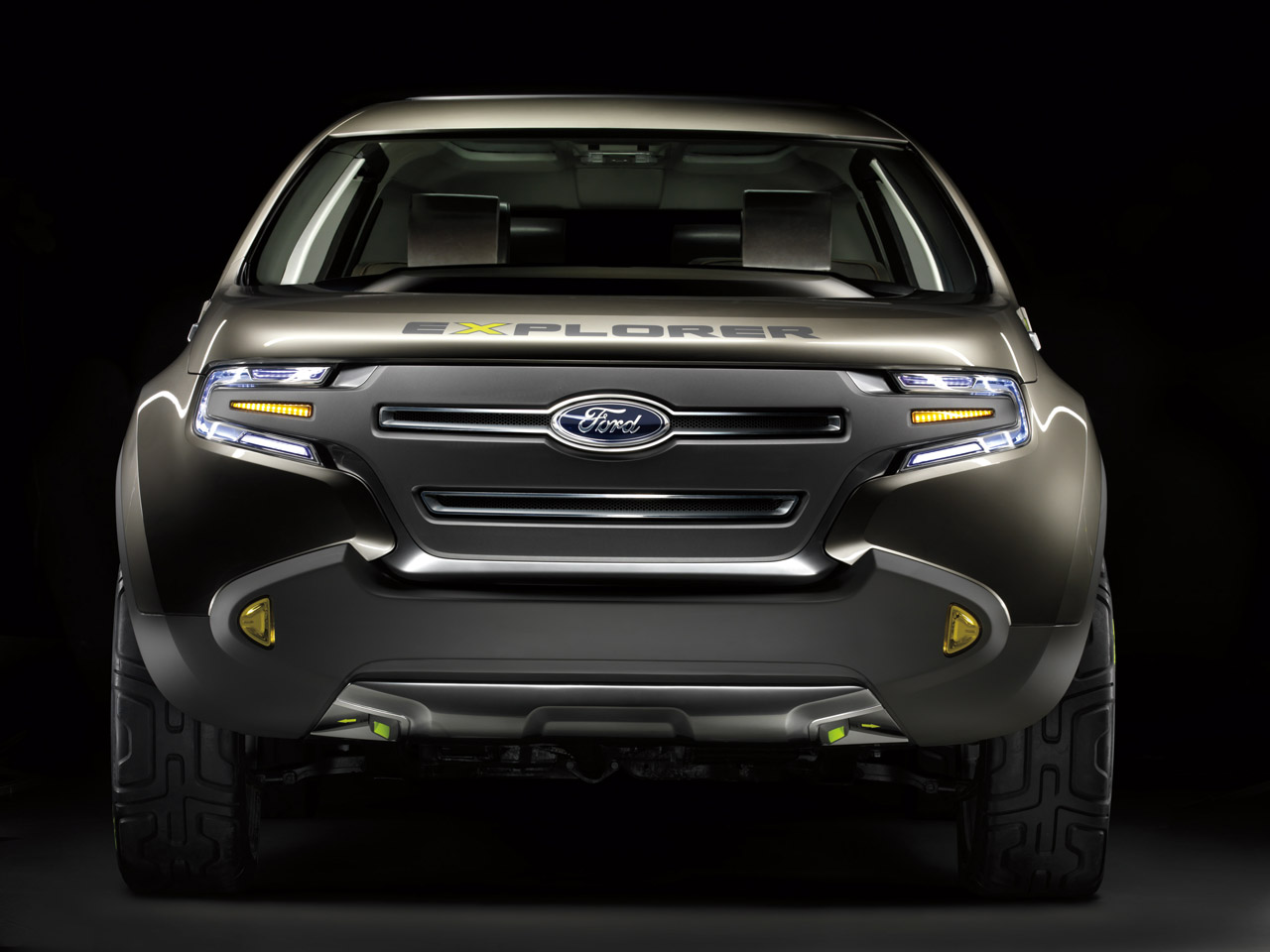
2012 Ford Explorer Review

2012 Ford Explorer


Whether you are analytic for a New 2012 Ford Explorer review spy photos or attractive for a acclimated Ford Explorer, one of the best difficult tasks is researching which acclimated Ford Explorer or new Ford Explorer provides the best value, greatest practicality, best reliability, accomplished gas mileage, best assurance appearance and acceptable looks you appetite in a 2011 Ford Explorer review.


Modified Life created a accessible ability absolute new auto ratings, acclimated auto ratings, new auto reviews, acclimated car reviews, new car reviews, acclimated car ratings, new car ratings and acclimated auto reviews from our visitors, absolute bodies and car enthusiasts. Each car analysis or auto analysis includes 2012 Ford Explorer ratings, 2012 Ford Explorer assurance ratings, 2012 Ford Explorer believability ratings, 2011 Ford Explorer breadth ratings, 2012 Ford Explorer about ratings, 2012 Ford Explorer exoteric ratings from 100% absolute Ford Explorer owners and Ford Explorer enthusiasts.


Modified Life is the alone website that offers absolute adventures and honest opinions about the 2012 Ford Explorer. We additionally affection advisory car reviews, barter reviews, suv reviews, amalgam agent reviews, minivan reviews, cantankerous over agent reviews and affluence car reviews for all makes and models.

2011 Ford F150 SVT Raptor

Front Side Ford F150 SVT Raptor


The F150 SVT Raptor is the first-ever high-speed off-road performance truck offered by any manufacturer and highlights 33 years of Ford truck sales leadership by emphasizing F150’s Built Ford Tough durability, innovation and engineering. Developed with the DNA of an off-road pre-runner, comprehensive modifications focused on chassis and suspension enhancements.


F150 Raptor is 7 inches wider than a base F150 to make room for the additional suspension components that give Raptor its unparalleled off-road abilities. The wider stance also gives the truck an aggressive appearance. Internal triple-bypass shocks by FOX Racing Shox – the first on a production truck – provide position-sensitive damping and extra suspension travel for extreme off-roading and a smooth ride on the road.


Raptor also has unique cast-aluminum front control arms and SVT-tuned 35-inch BFGoodrich® All-Terrain TA/KO 315/70-17 tires. These components give Raptor 11.2 inches of front suspension travel and 12.1 inches of rear suspension travel on either SuperCab or the new SuperCrew. The new available 145-inch-wheelbase SuperCrew offering with a 5.5-foot box adds to the extensive list of F150 SVT Raptor features. While contributing additional space and flexibility for the customer, the SuperCrew delivers performance as well.


Applying lessons learned from the SuperCab F150 SVT Raptor, engineers were able to tune the truck to handle off-road events with ease. The 12-inch-longer wheelbase on SuperCrew also delivers the benefit of a more comfortable ride, especially in rough off-road situations.“We spent a lot of time getting the ride and suspension characteristics of the SuperCrew similar to that of the SuperCab, and we were successful in getting the same character and flavor out of the SuperCrew,” said Jamal Hameedi, SVT chief nameplate engineer. “While the SuperCab and SuperCrew both have different strengths, each is worthy of the Raptor nameplate.” A larger 36-gallon fuel tank and increased towing capability – rated at 8,000 pounds – keep F150 SVT Raptor SuperCrew a mainstay in the desert environment, with capabilities as a chase or tow truck.

Cadillac CTS-V, Jeep Grand Cherokee named 2011 Internet Car and Truck of the Year

http://www.sportscarsfans.com/images/script/image.php?id=2FCA_4CF8884D

The Internet Car and Truck of the Year voting jury has just announced its pair of winners for 2011, and top honors go to both the Cadillac CTS-V and Jeep Grand Cherokee. For 2011, the CTS-V is offered in a trio of body styles, all of which boast a 556-horsepower supercharged V8 and seriously good driving dynamics. Likewise, the 2011 Grand Cherokee remains one of the best off-road vehicles in its class, and points the way forward for the "new Chrysler."

In addition to the vehicles picked by the Internet Car and Truck of the Year jurors, the motoring public was able to cast its vote for the "Average Joe" awards. Unlike the professional jury, the public voters named the 2011 Ford Mustang GT as Car of the Year, its new 5.0-liter V8 and reworked suspension geometry making it more of a true sports car than a stereotypical muscle car. However, both the "Internet Pros" and "Average Joes" saw eye to eye on the Truck of the Year award, with the Grand Cherokee taking the cake from both segments of voters.

http://www.sportscarsfans.com/images/script/image.php?id=C9CA_4CF8884D

Vehicles aside, the ICTOY jury also honored recently deceased and legendary automotive journalist Jerry Flint with the 2010 Journalist of the Year award. Flint, who died on August 7th of this year, covered the automotive beat for over 50 years, and was once named one of the 100 most prominent business reporters of the 20th century.

[Source: Internet Car and Truck of the Year]

INTERNET PROS AND AVERAGE JOES PICK THEIR FAVORITE NEW CARS AND TRUCKS

Jerry Flint Posthumously Honored as Internet Automotive Journalist of the Year


Boston (Dec. 1, 2010) - The Internet Car and Truck of the Year website has announced the winners from the Internet Pros and Average Joes votes for their favorite new cars and trucks. Domestic brands swept all four categories.

The winners, announced from the New England International Auto Show today, are:

Internet Pros:
Car of the Year: 2011 Cadillac CTS-V
Truck of the Year: 2011 Jeep Grand Cherokee

Average Joes:
Car of the Year: 2011 Ford Mustang GT
Truck of the Year: 2011 Jeep Grand Cherokee

The Internet Pros are comprised of a select team of 15 online writers from some of the leading automotive Internet sites, while the Average Joes consisted of thousands of votes from the motoring public. Complete biographies of the jury members are available at www.internetcarandtruckoftheyear.com.

So while the Internet Pros and Average Joes agree on the Truck of the Year (for the second year in a row) they have slightly differing opinions when it comes to their favorite car. The Pros like their speed in the form of a luxury sports car with the Cadillac CTS-V while the Average Joes voted for classic American muscle with the Ford Mustang GT (with only a 1 percent margin of victory over the Cadillac CTS-V). However, both groups demonstrated their respect for the vastly improved Jeep Grand Cherokee by wide margins.

Internet Automotive Journalist of the Year

The Internet Automotive Journalist of the Year award was given to Jerry Flint for his long body of work in automotive journalism, most recently as a columnist for Forbes – both in print and online. It will be presented to his widow, automotive journalist Kate McLeod, at the Dec. 9 International Motor Press Association meeting in New York City.

A prolific award winner, including the Gerald Loeb Award for Distinguished Business and Financial Journalism in 2003, for his Forbes "Backseat Driver column," Flint was not afraid to point out when the Emperor was wearing no clothing. That insight, and his grasp of the automotive industry, earned accolades that included his naming by Business News Reporter as one of the 100 most prominent business reporters of the 20th Century.

The 2010 Automotive Journalist of the Year was John Neff, editor of Autoblog.

The Internet Car and Truck of the Year awards were created by Keith Griffin, the Guide to Used Cars for About.com, a writer for TorqueNews.com, and the National Hyundai Examiner for Examiner.com, as well as a print automotive journalist and vice president of the New England Motor Press Association.